

Choosing the appropriate car exhaust parts is essential for ensuring your vehicle's functionality and effectiveness. The exhaust system plays a critical role in lowering harmful emissions, boosting fuel economy, and enhancing the engine’s sound. With a wide variety of exhaust components on offer, it can be daunting to find the parts that are appropriate with your individual vehicle model.
Being aware of how to select the correct exhaust parts not only promotes maximum operation but can also aid to a more seamless driving experience. Whether you are updating a worn-out component or upgrading for increased performance, knowing the essential factors to think about will guide direct your decision. In this manual, we will discuss what to consider when choosing car exhaust parts that fit your vehicle perfectly.
Comprehending Exhaust System Parts
The emission system of a vehicle is critical for regulating pollution, enhancing efficiency, and ensuring a comfortable driving experience. It is constructed of several essential components, each serving an integral role in directing exhaust gases out from the engine and minimizing noise. Understanding these parts is crucial when choosing substitute parts that will properly fit your vehicle.
One of the key parts is the emission manifold, which accumulates exhaust gases from the engine's chambers and conveys them into the exhaust system. Following the manifold is the catalyctic converter, which helps diminish toxic emissions before they exit the vehicle. The muffler is another important component, designed to diminish the noise produced by the exhaust gases. Understanding the role of each part is critical for picking suitable and premium car emission components.
Furthermore, the exhaust pipes connect these components and channel the flow of gases to the back of the vehicle. Multiple types of pipes may be utilized depending on the specific type of the vehicle, such as stainless-steel steel options for durability. By acquainting yourself with these pieces, you can make knowledgeable decisions when the time comes to swap out any parts of your exhaust system.
Elements to Take into Account When Choosing Exhaust Components
Selecting the right exhaust parts for your vehicle calls for careful consideration of several aspects. First, Akrapovic to understand your vehicle's brand and version, as various cars have distinct specifications for exhaust systems. OEM (original equipment manufacturer) items are designed to suit your particular vehicle perfectly, guaranteeing compatibility and maintaining performance criteria. However, you can also choose alternative parts that may offer improved efficiency or aesthetics, but ensure that you confirm their compatibility with your car.
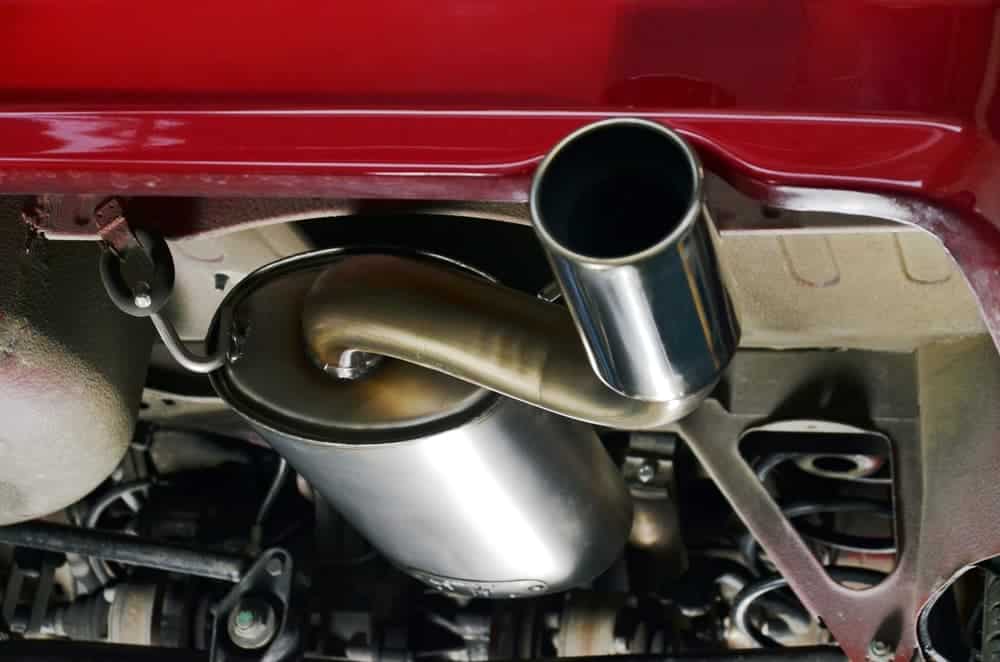
A significant factor is the composition used in the exhausting parts. Popular materials include stainless steel, aluminized steel, and mild steel. Stainless metal is known for its robustness and resistance to oxidation and corrosion, making it a popular option for those who want durable performance. Aluminized metal offers a more cost-effective option with adequate strength, while mild steel tends to be the least expensive but may demand more regular substitutions due to corrosion. Assess your driving conditions and environment to choose the best composition suited for your preferences.
Lastly, evaluate the desired output and sound qualities you seek from your exhaust. Alternative components can provide a sharper, enhanced sound if that's what you're after, while OEM components will generally maintain a calmer performance. Additionally, performance exhaust systems can boost motor performance and capability, so determine whether you're seeking to improve your vehicle's performance or simply replace defective parts. Considering these factors will help you make the optimal decision for your exhaust parts.
Installation Advice for Aftermarket Exhaust Components
When installing after-market exhaust parts, it is essential to start with the right equipment. Verify you have a socket set, spanners, and a torque wrench to ensure that all bolts are secured to the manufacturer’s specifications. Additionally, having a lift or jack can make the process far easier as it offers better reach to the bottom of the car. In conclusion, don't forget safety gear like safety glasses and gloves to protect yourself during the installation.
Before installing the new muffler parts, it is a good idea to do a dry fit. This involves placing the components in position without securing them down completely. This step helps identify any alignment issues or necessary adjustments prior to finalizing the installation. Ensure that all gaskets are in proper condition, and swap out any that are worn out. This will help to prevent muffler leaks and provide a good seal.
When you have all components aligned and set, be sure to follow the installation guidelines specific to your aftermarket parts. Take your time when tightening fasteners to avoid over-tightening, which can cause damage to the exhaust hardware. After installation, start the vehicle and check for any unusual noises or leaks. Performing this extra step helps ensure your replacement muffler parts function properly and delivers the intended performance improvements.